House crickets get their common because they often enter houses. Once inside, they can survive indefinitely. This cricket species was introduced from Europe and is now found throughout the United States but primarily east of the Rocky Mountains. Interestingly, they are known for their loud chirping which is caused when males rub their front wings together to attract females. Because of how loud crickets can be, you do not want to have them in your home. Let Ready Pest Control handle your cricket control needs and get rid of these critters for good. Call today to learn more about how our team of
dedicated exterminators can help you.
What Do House Crickets Look Like?
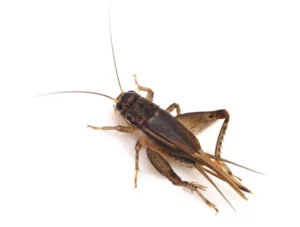
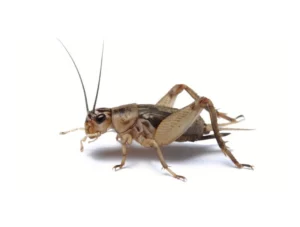
Adult house crickets are light yellowish brown in color with three dark crossbands on their head. They are about 3/4 – 7/8 inch in length and have a threadlike antennae that is often longer than its body, and wings that lie flat on its back. Nymphs are wingless but otherwise look similar to adults.
Professional Cricket Control Services
Cricket infestations can quickly become a nuisance inside homes and businesses due to loud chirping and their ability to survive indoors for long periods. Ready Pest Control provides professional cricket control services designed to eliminate infestations at the source and prevent them from returning.
What House Crickets Look Like
Adult house crickets are light yellowish-brown insects with three dark bands on their head. They are typically 3/4 to 7/8 inch long and have long antennae that are often longer than their body. Nymphs are wingless but resemble adults in shape and behavior.
Signs of a Cricket Infestation
Common signs of a cricket infestation include frequent chirping sounds at night and visible crickets inside the home. You may also notice damage to fabrics such as clothing, carpets, or upholstery, as crickets feed on materials like wool, cotton, and silk.
Why Crickets Enter Homes
Crickets are attracted to warm, moist environments and often enter homes in search of shelter and food. Seasonal weather changes can also drive them indoors, where they may survive for long periods if conditions are favorable.
Cricket Prevention Tips
Reducing moisture and sealing entry points is the most effective way to prevent crickets. Keep lawns trimmed, remove debris, improve ventilation in damp areas, and reduce outdoor lighting that attracts insects.
Professional Exterminator Services for Cricket Control
Our exterminator team uses targeted pest control methods to eliminate crickets at all life stages, including eggs, nymphs, and adults. We treat entry points, nesting areas, and moisture-prone zones to ensure long-term cricket control for homes and businesses.
Signs of an Infestation
The most obvious sign of a house cricket infestation is the presence of crickets in your home. They are drawn to warm, moist environments within structures. Another sign of a cricket infestation is the chirping noise the male house crickets often make, which is done when they rub their front wings together. This “calling song” serves to attract females and, since they are nocturnal, often occurs at night. If you hear this chirping, it could be a sign of a house cricket infestation. Chewed fabric is also a sign of a house cricket infestation. Mandible marks along chewed edges are often visible with magnification. These marks are much less than 1 mm wide. Nobody wants their furniture to get destroyed by invasive bugs. Ready Pest Control can help you remove crickets from your home today.
What Do House Crickets Eat?
Outside, house crickets feed on plants and dead or live insects, including other crickets. Indoors, they can feast on fabric, including clothing and carpet. Wool, cotton, silk and synthetic fabrics as well as clothes soiled with perspiration are especially attractive to house crickets.
How To Get Rid Of House Crickets
Removal of crickets and their eggs with a vacuum works well in getting rid of house crickets. The most effective way to get rid of crickets and prevent future infestations is to reduce areas of moisture in and around your home. Mow the lawn, weed plant beds and move woodpiles away from the structure. Provide adequate ventilation in crawl spaces, basements, etc. Consider changing outdoor lighting to less-attractive yellow bulbs or sodium vapor lamps. It is also important to seal possible points of entry for house crickets around the house, including window and door frames and holes in masonry. While you can try these methods yourself, it can be much more effecient and thorough to enlist the help of a seasoned exterminator to help with cricket control. Our team utilizes the most effective removal practices that are safe for the inside of your house and loved ones.
Let Us Help You With Your Cricket Control Needs
At Ready Pest Control, we understand how frustrating it can be to have crickets in your
home. Bugs can be beautiful, but they do not belong inside. Let us help you remove critters from your
property as quickly and safely as possible.
Contact us today to schedule an appointment with Ready Pest Control.