Discovering an infestation can feel overwhelming; however, learning how to get rid of bed bugs permanently is entirely achievable when you follow a structured plan. Because bed bugs (Cimex lectularius) reproduce rapidly, they can quickly overrun a bedroom if left unchecked. In addition, these resilient pests hide in microscopic crevices and can survive for months without feeding. Therefore, complete eradication requires a balanced strategy that combines thorough preparation, proven treatments, and proactive monitoring.

| Method | Effectiveness | Best For | Typical Timeline |
| Professional Heat Treatment | 99%+ (Kills all life stages) | Heavy infestations & whole structures | 1 Day (6–8 hours) |
| Targeted Chemical Applications | High (Requires direct contact & residuals) | Budget-conscious & moderate infestations | 2–3 Visits over 4–6 weeks |
| Steam & High-Heat Laundering | Moderate to High (Contact only) | Linens, mattresses, and spot treatments | Immediate contact action |
| Encasements & Interceptor Traps | Preventative & Monitoring | Long-term containment and detection | Ongoing protection |
Before choosing a treatment method, it is crucial to understand why standard eradication attempts often fail. Specifically, bed bugs possess natural defenses that allow them to survive routine cleaning efforts.
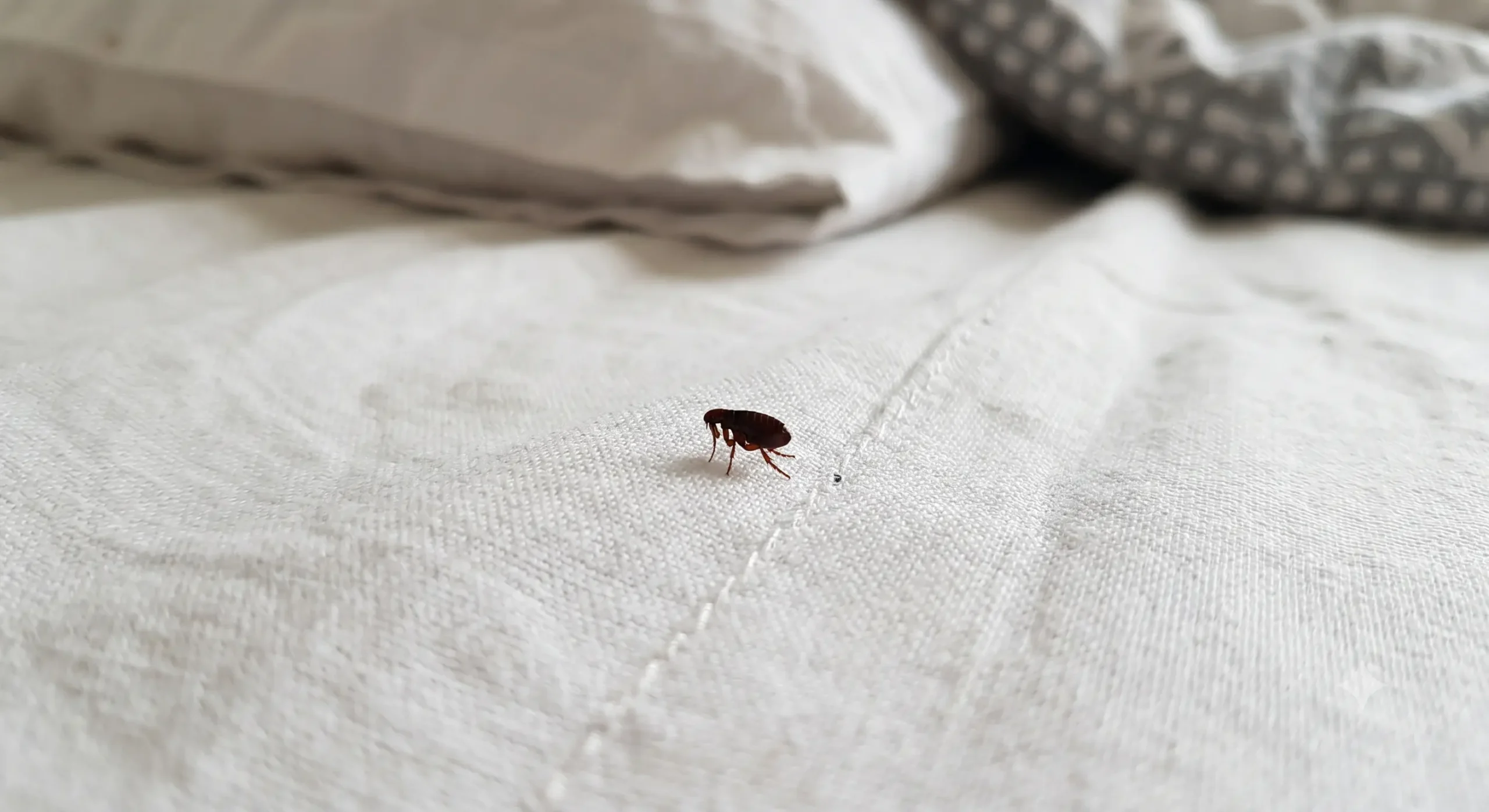
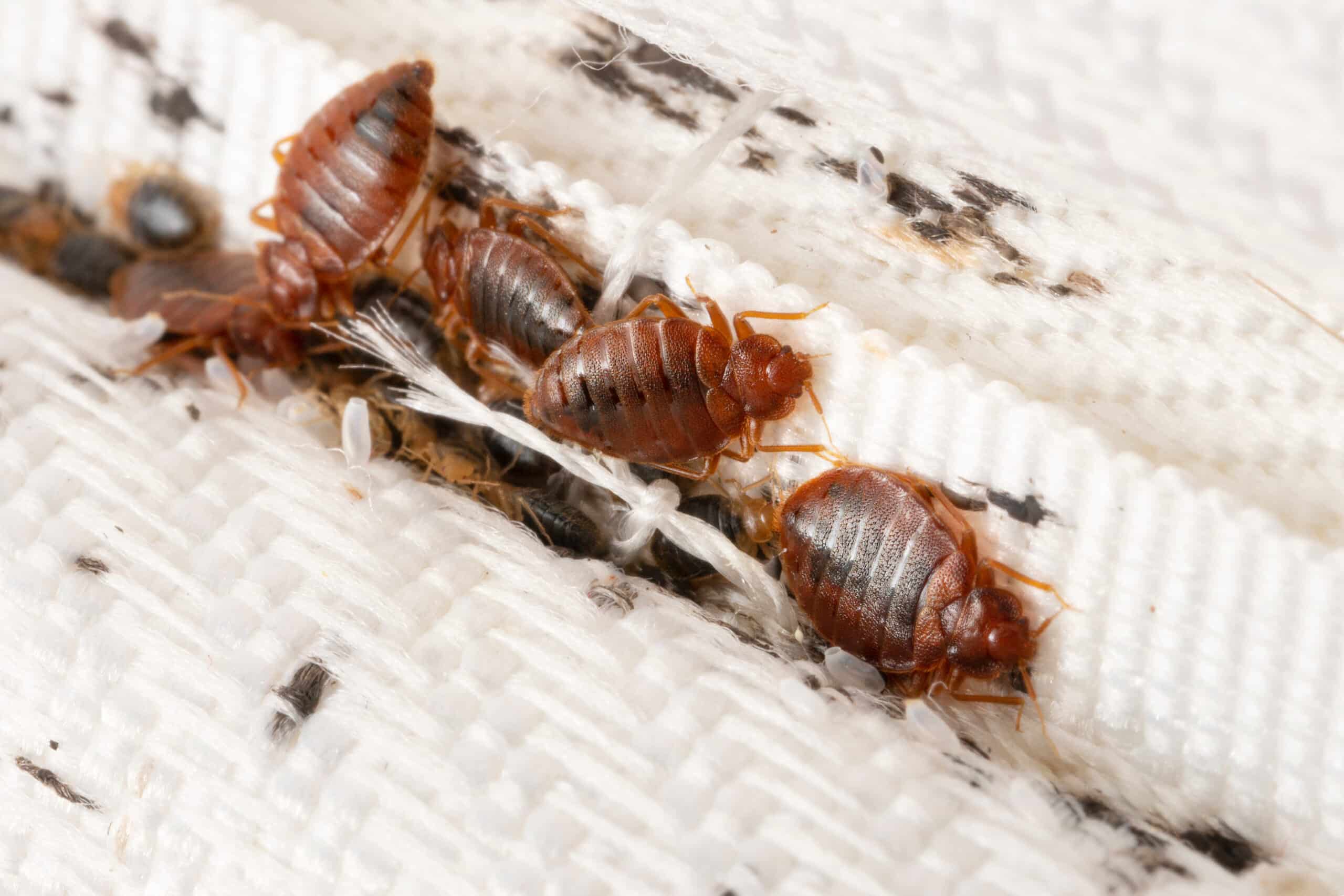
First, you must verify that bed bugs are the true culprit behind your issue. While carpet beetles and fleas cause similar concerns, bed bugs leave distinct physical evidence that you can easily identify during a careful inspection.
During your inspection, focus primarily on the area immediately surrounding the bed. For instance, examine mattress piping, box spring corners, headboard brackets, and nearby electrical faceplates.
Once you confirm their presence, immediate containment is essential. By taking the following prep steps, you can significantly reduce the overall population before applying stronger solutions.
First, strip all bedding, curtains, and washable fabrics from the room. Wash these items in hot water, and subsequently dry them on the highest heat setting for at least 30 minutes. Because sustained temperatures above 120°F (49°C) destroy both bugs and eggs instantly, heat remains one of your most reliable tools. Afterward, store the clean items inside sealed plastic bags to prevent re-contamination.
Next, vacuum all mattresses, bed frames, baseboards, and carpets thoroughly with a crevice attachment. Although vacuuming does not remove firmly attached eggs, it quickly captures active adults and nymphs. Once finished, immediately place the vacuum bag inside an airtight trash bag and dispose of it outdoors.
Finally, install certified, bite-proof encasements over both your mattress and box spring. Encasements effectively trap remaining bugs inside, which prevents them from feeding. Furthermore, smooth encasements eliminate hiding seams, making future inspections much simpler.
After completing the initial prep work, you can implement targeted elimination methods. Ultimately, knowing how to get rid of bed bugs permanently involves choosing the right treatment intensity for your home’s needs.
During thermal remediation, technicians use specialized heaters to raise indoor temperatures between 122°F and 135°F.
Alternatively, pest control professionals utilize multi-class chemical protocols for targeted control:
If you require local assistance or specialized inspections, explore Ready Pest Control’s specialized services to find a tailored treatment plan for your property.
Even after eliminating an active infestation, ongoing vigilance is necessary to ensure pests do not return. Therefore, establish consistent preventive habits to safeguard your living spaces.
According to research and guidance from the U.S. Environmental Protection Agency (EPA), an Integrated Pest Management (IPM) strategy that combines physical barriers, sanitation, and targeted controls offers the most reliable path to complete eradication.
In summary, learning how to get rid of bed bugs permanently requires speed, high heat, and persistent monitoring. By executing a thorough preparation routine and utilizing proven remediation techniques, you can successfully reclaim your living space and enjoy peaceful sleep once again.