When autumn temperatures drop, heat-seeking insects congregate on exterior walls facing south and west. This phenomenon occurs because dark or reflective siding absorbs solar radiation, creating a microclimate several degrees warmer than the surrounding ambient air. Pests utilize this warmth to regulate their body temperature while searching for structural entry points to overwinter.
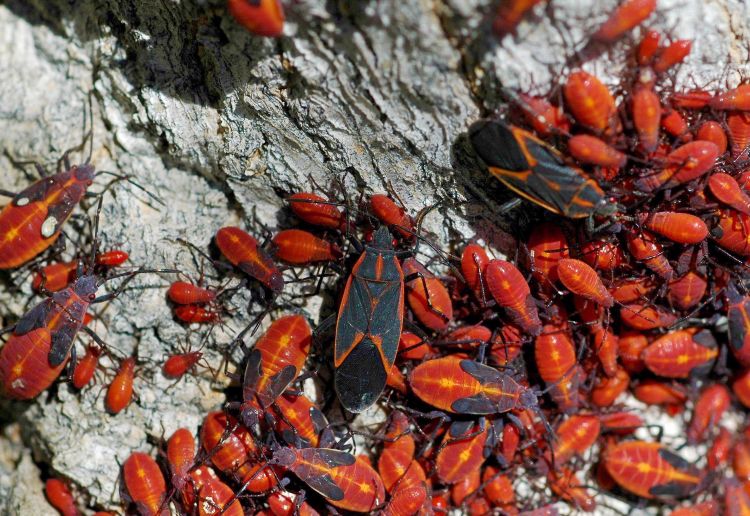
| Insect Species | Visual Identification | Primary Attraction Factor | Risk Level to Home Structure |
| Boxelder Bugs | Black bodies with distinct red or orange outline markings | Radiated solar heat; female boxelder trees nearby | Low (Nuisance pest; stains fabrics/walls) |
| Brown Marmorated Stink Bugs | Shield-shaped, mottled brown body with banded antennae | Solar warmth on south-facing exterior walls | Low (Produces strong odor when disturbed) |
| Asian Lady Beetles | Domed, yellow-to-orange shell with variable black spots | Reflective light and solar heat absorption | Low-Medium (Bites occasionally; secretes yellow fluid) |
| Cluster Flies | Gray bodies with yellow hair on thorax; slow-moving | Sunlight reflecting off light-colored siding | Low (Purely nuisance; does not breed indoors) |
| Western Conifer Seed Bugs | Reddish-brown with leaf-like hind legs and long antennae | Heat-retaining siding materials | Low (Emits pungent odor if crushed) |
As days shorten during September and October, overwintering pests undergo a behavioral transition. Unlike species that die off or hibernate in soil, these insects survive winter by entering a state of dormancy called diapause inside protected structures.
Solar warmth acts as a beacon. Walls receiving direct sunlight typically south and west elevations store thermal energy throughout the day. When cold autumn air arrives, insects navigate toward these warm surface temperatures. What appears as a sudden infestation is actually a natural gathering ritual as thousands of individual pests seek thermal comfort.
Understanding which pest is aggregating on your exterior walls helps you determine the best control strategy.
Boxelder bugs measure approximately half an inch long and feature striking red markings against black wings. These insects feed on boxelder, maple, and ash trees during summer. When autumn arrives, they migrate toward buildings in massive numbers. When people observe bugs swarming sunny side of house fall conditions, boxelder bugs are often the primary species involved.
Unlike beneficial native ladybugs, Asian ladybeetles aggressively cluster on sunlit siding. They vary from yellow to deep red and usually display an “M” or “W” shape marking behind their head. When stressed or crushed, they release an unpleasant yellow defense fluid that stains paint and upholstery.
Stink bugs are invasive pests known for their shield shape and mottled brown appearance. They seek warmth along window frames, siding gaps, and rooflines. Once inside wall voids, they stay hidden until warm spring days re-activate them.
Cluster flies look similar to standard houseflies but move significantly slower. They congregate on bright, sunlit walls in mid-to-late autumn. When temperatures fluctuate, they crawl into attic spaces and wall cavities through tiny gaps.

Stopping overwintering insects requires sealing your exterior building envelope before major swarm events occur.
Focus your inspection on the south and west sides of your home. Examine windows, trim boards, soffits, and utility penetrations.
Fill cracks smaller than half an inch with 100% silicone or elastomeric polyurethane caulk. For larger openings or weep holes, install coarse stainless steel mesh or copper mesh before sealing.
Insects rely on nearby trees and shrubs for shelter before moving onto siding.
For thorough pest exclusion and seasonal treatments, consult our team at Ready Pest Control Services to protect your property before temperatures drop.

If insects have already crossed the threshold, swift and careful removal is necessary to avoid staining walls or releasing defensive odors.
To learn more about pest biology and overwintering behavior, review research published by the USDA Agricultural Research Service.